


By


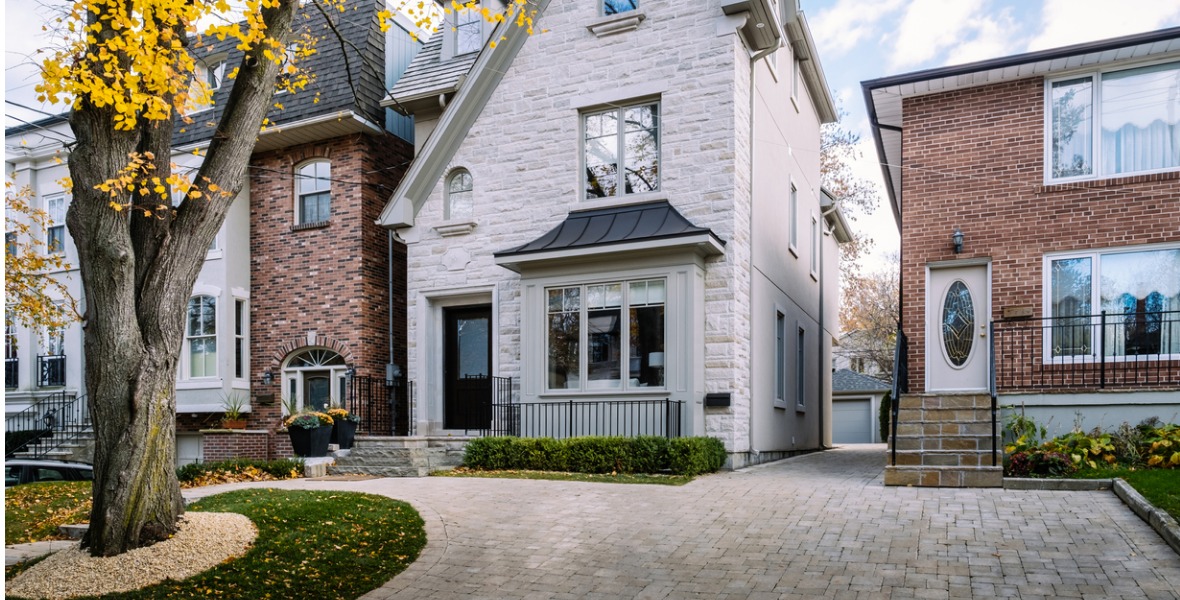
Shared driveways are common in Virginia, particularly in established neighborhoods, and while they can offer convenience, they also come with important legal and practical considerations. Understanding how these arrangements work is essential for both real estate professionals and their clients to ensure a smooth transaction.
The Importance of Recorded Agreements
In most cases, shared driveways require recorded agreements that clearly outline maintenance responsibilities and usage rights. These agreements are critical in preventing disputes by defining how costs are shared and how access is managed between neighboring properties.
What Title Companies Look For
During the title search, settlement agents will verify whether a shared driveway agreement has been properly recorded. When an agreement is recorded, it typically runs with the land, meaning it remains in effect for future owners as well.
If No Agreement Exists
In these situations, it is often advisable for buyers to negotiate a formal agreement with neighboring property owners before closing. Addressing this proactively can help avoid disputes and protect the buyer’s investment.
A Proactive Approach
Shared driveways don’t have to be problematic—but they do require due diligence. By confirming the existence of a recorded agreement and addressing any gaps early, agents can help ensure a smoother closing process.