



By


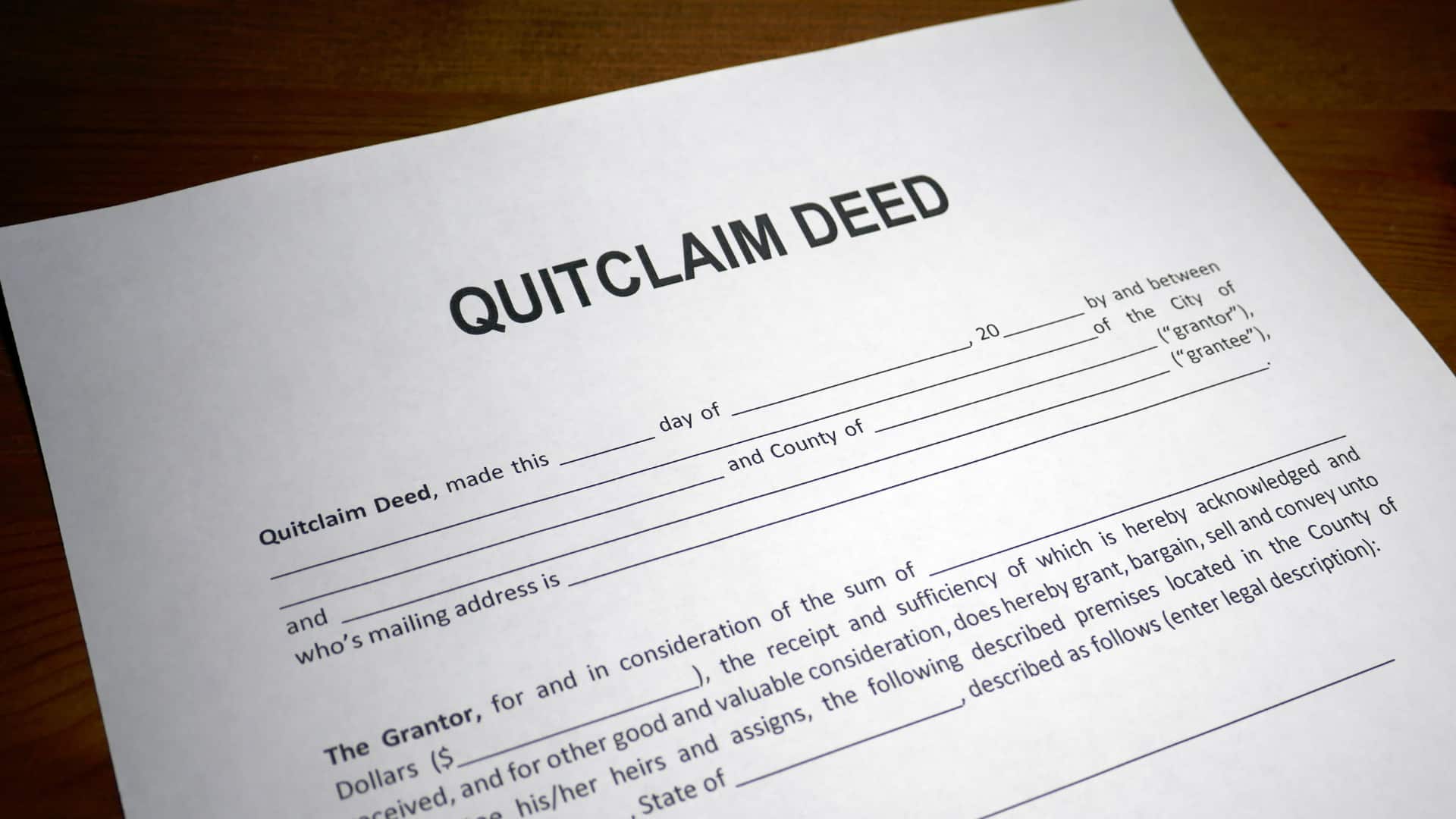
A quitclaim deed releases a person’s interest in a property without confirming the person’s interest or rights. It gives no warranties of that person’s interest or rights in the property. In other words, when a person signs a quitclaim deed they are basically saying ‘if I have any rights or interest with respect to this property, I’m giving it up; but I make no guarantee I actually have an interest or rights to give.’ Quitclaim deeds are generally not favored in Virginia, because they are typically not insurable.
The Virginia Code gives us much better options than quitclaim deeds for deed transfers where no money is changing hands. For example, the Virginia Code allows for deed transfers that are transfer-tax-free for transactions where the property is: a gift; or, where spouses are the only parties; or, pursuant to a property settlement agreement or final decree of divorce. The Code also allows for other types of transfer-tax-free transfers. Proper use of these Code sections allows for transfer-tax-free conveyance of property where the granting party is confirming and warrantying their interest.
However, it is important to note that just because the Clerk of the Court does not charge transfer taxes when a proper Code section is used, there still could be federal or state gift tax implications. It is important to consult a CPA and attorney that specializes in real estate law before adding or removing anyone from title to real property.
This article is not intended to provide legal or tax advice. This email does not create an Attorney-Client relationship, and nothing set forth herein is to be construed as legal advice or as a substitute for the advice of a duly licensed attorney. Seek legal counsel from an attorney admitted to practice in your jurisdiction if you need legal advice or representation.